
Article Plan: Post-Op Immediate Denture Instructions (as of 02/20/2026)
Immediate dentures require diligent aftercare for optimal healing and fit. Annual check-ups are crucial for adjustments and maintenance, ensuring long-term comfort and functionality.
Promptly address any denture-related issues by contacting your dental office to schedule an appointment. Use ADA-approved cleansers and a specialized denture brush.
Immediate dentures are a convenient solution for replacing missing teeth, offering a functional and aesthetic restoration right after tooth extraction. Unlike conventional dentures, which are fitted after complete healing, immediate dentures are fabricated before extractions and inserted immediately following the procedure.
This approach eliminates the period of being without teeth, maintaining facial support and allowing for a more natural appearance throughout the healing process. However, because the mouth undergoes significant changes during healing, adjustments to the denture are almost always necessary.
Understanding the unique aspects of immediate denture care is vital for a successful outcome. This includes a carefully managed post-operative period, a gradual dietary progression, and meticulous denture and oral hygiene. Regular dental check-ups, at least annually, are essential to monitor fit and address any concerns promptly.
These instructions will guide you through the initial stages of recovery and long-term maintenance, ensuring your comfort and satisfaction with your new smile.
Understanding the Post-Operative Period
The initial weeks following immediate denture placement are a critical healing phase. Expect some discomfort, swelling, and changes in sensation as your gums and bone adjust to the extractions and the new denture. This period requires patience and diligent adherence to post-operative instructions.
It’s important to recognize that immediate dentures are designed to serve as a provisional solution. As the extraction sites heal and the underlying tissues remodel, the denture’s fit will inevitably change. This is perfectly normal and why adjustments are necessary.
Expect some difficulty with speech and eating initially. Saliva production may also increase as your mouth adjusts. These are temporary effects that typically subside with time and practice. Maintaining excellent oral hygiene, even with the denture in place, is paramount to prevent infection and promote healing.
Understanding these expected changes will help you navigate the post-operative period with confidence and contribute to a successful long-term outcome.
Initial 24 Hours: Critical Care
The first 24 hours post-denture placement are the most crucial for successful healing. Strict adherence to instructions minimizes complications and promotes optimal recovery. Focus on controlling bleeding and swelling, and managing discomfort.
Bite firmly on gauze pads provided by your dentist for the first 30-60 minutes, changing them as needed, to control bleeding. Avoid vigorous rinsing or spitting, as this can disrupt clot formation. Rest with your head elevated to minimize swelling.

Limit physical activity and avoid strenuous exercise. Apply ice packs to the outside of your cheeks for 20 minutes on, 20 minutes off, to further reduce swelling. Do not remove the dentures during this initial period unless specifically instructed by your dentist.
This initial phase sets the stage for a comfortable and successful transition with your new immediate dentures. Prioritize rest and diligent follow-through with all provided care guidelines.
Bleeding Management
Some minor bleeding is normal following immediate denture placement. This is typically due to the extraction sites and the initial adaptation of the denture. Effective management is key to minimizing discomfort and promoting healing.
Immediately after the procedure, bite down firmly on the gauze pads provided for 30-60 minutes. Maintain consistent pressure, changing the gauze as it becomes saturated with blood. Avoid disturbing the gauze frequently, as this can restart the bleeding.
If bleeding persists, do not panic. Continue applying firm, consistent pressure with fresh gauze. Avoid rinsing vigorously or spitting, as these actions can dislodge the forming blood clots. A moistened tea bag (black tea contains tannic acid, which aids clotting) can also be used if gauze is unavailable.
Contact your dentist if bleeding is excessive or does not subside after several hours. Minor oozing is expected, but heavy, continuous bleeding requires professional attention.
Swelling Control
Post-operative swelling is a natural response to denture placement and extractions. It’s essential to manage this swelling to ensure comfort and facilitate healing. Expect the most significant swelling to occur within the first 24-72 hours.
Immediately following the procedure, apply an ice pack or cold compress to the outside of your cheeks in 20-minute intervals. Repeat this process for the first 48-72 hours. Avoid direct contact between the ice pack and your skin; use a cloth barrier.
Keep your head elevated, even while sleeping, for the first few days. This helps to minimize fluid accumulation and reduce swelling. Avoid strenuous activity, as it can increase blood flow to the area and worsen swelling.
After 72 hours, you may switch to warm compresses if swelling persists. Warmth can help to increase circulation and promote healing. Contact your dentist if swelling is severe, accompanied by fever, or doesn’t improve after several days.
Pain Management Strategies
Managing discomfort is a crucial part of the post-operative period following immediate denture placement. A combination of approaches can effectively control pain and ensure a smoother recovery. It’s important to follow your dentist’s specific instructions regarding medication and self-care.
Your dentist may prescribe pain medication to help manage initial discomfort. Take the medication exactly as prescribed, and do not exceed the recommended dosage. Be aware of potential side effects and discuss any concerns with your dentist or pharmacist.
Over-the-counter pain relievers, such as ibuprofen or acetaminophen, can also be helpful for managing mild to moderate pain. Follow the dosage instructions on the packaging. Alternating between different over-the-counter medications can sometimes provide better relief.
Remember that pain typically decreases over time. If pain is severe or not controlled by medication, contact your dentist immediately.
Prescription Pain Medication
Following immediate denture placement, your dentist may prescribe pain medication to manage post-operative discomfort. These medications are typically stronger than over-the-counter options and are designed to address more significant pain levels experienced in the initial healing phase.
It is absolutely critical to take prescription pain medication exactly as directed by your dentist. Do not increase the dosage or frequency, even if you are still experiencing pain, as this can lead to adverse effects. Similarly, do not stop taking the medication prematurely, even if you feel better, unless instructed by your dentist.
Be aware of potential side effects associated with your prescribed medication. Common side effects can include drowsiness, nausea, and constipation. If you experience any severe or concerning side effects, contact your dentist or pharmacist immediately.
Avoid consuming alcohol while taking prescription pain medication, as this can significantly increase the risk of dangerous interactions.

Over-the-Counter Pain Relief
For mild to moderate pain following immediate denture placement, over-the-counter (OTC) pain relievers can be very effective. Options like ibuprofen (Advil, Motrin) and acetaminophen (Tylenol) are commonly recommended to manage discomfort and reduce inflammation.
Always follow the dosage instructions provided on the medication packaging. Do not exceed the recommended daily dose, and be mindful of any existing medical conditions or medications you are currently taking that might interact with OTC pain relievers. If you have concerns, consult with your pharmacist or dentist.
Alternating between ibuprofen and acetaminophen can sometimes provide more comprehensive pain relief. However, it’s crucial to maintain careful tracking of dosages to avoid exceeding the maximum daily limits for either medication.
Applying a cold compress to the outside of your cheeks can also help reduce swelling and alleviate pain. Apply for 20 minutes on, 20 minutes off, several times a day.
Diet Progression After Denture Placement
Following immediate denture placement, a gradual diet progression is essential for comfortable healing and adaptation. Initially, focus on liquids to minimize pressure and disruption to the surgical sites. This includes broth, clear soups, and strained juices – ensuring adequate hydration is paramount during this phase.
As healing progresses, typically around days 4-7, transition to a soft food diet. Examples include mashed potatoes, yogurt, scrambled eggs, and well-cooked cereals. Avoid hard, crunchy, or chewy foods that could irritate the extraction sites or put undue stress on the dentures.
Gradually reintroduce normal foods as tolerated, starting with softer options and slowly incorporating more textured items. Continue to avoid excessively hard or sticky foods for an extended period.
Listen to your body and adjust the diet accordingly. If you experience discomfort, revert to a softer consistency until healing advances further. Patience is key to a successful transition.
Days 1-3: Liquid Diet
The initial 72 hours post-immediate denture placement necessitate a strictly liquid diet. This crucial phase minimizes trauma to the extraction sites and allows for initial healing without undue pressure. Prioritize nutrient-rich liquids to maintain strength and support recovery.
Acceptable options include clear broths (chicken, beef, or vegetable), strained fruit juices (apple, grape), and clear soups – ensuring they are lukewarm or cool to avoid irritation. Avoid anything requiring chewing or significant oral manipulation.
Hydration is paramount during this period. Supplement liquids with water, herbal teas, or electrolyte solutions to prevent dehydration. Small, frequent sips are preferable to large volumes.
Avoid carbonated beverages, as they can cause discomfort. Also, refrain from using a straw, as the sucking action can disrupt clot formation. Focus on nourishment and gentle intake for optimal healing.
Days 4-7: Soft Food Diet
As initial healing progresses, transition to a soft food diet for days four through seven. This stage introduces slightly more texture while continuing to protect the extraction sites and allow tissues to adapt to the new dentures.
Excellent choices include well-cooked cereals, mashed potatoes, yogurt, scrambled eggs, and pureed fruits or vegetables. Ensure foods are soft, moist, and easy to swallow without requiring extensive chewing. Ground meats or fish are also suitable options.
Cut food into small pieces to minimize strain on the healing tissues. Avoid sticky or chewy foods, as they can adhere to the dentures or extraction sites. Continue to prioritize hydration with water and non-irritating beverages.
Gradually increase the variety of soft foods as tolerated, paying attention to any discomfort. If pain or irritation arises, revert to a liquid diet temporarily. Patience and gentle progression are key to successful healing.
Gradual Return to Normal Diet
After the initial seven days, and with your dentist’s approval, begin a gradual return to your normal diet. This phase requires careful attention to how your mouth responds to increasingly textured foods.
Start by introducing slightly firmer soft foods like well-cooked pasta, tender chicken, or soft breads. Chew slowly and deliberately, distributing the pressure evenly across all teeth. Monitor for any signs of discomfort, such as soreness, irritation, or denture instability.
If you experience any issues, temporarily revert to the soft food diet until healing progresses further. Avoid hard, crunchy, or sticky foods initially, as these can place excessive stress on the dentures and extraction sites;
Continue to avoid extremely hot or cold foods that may cause sensitivity. Maintain excellent oral hygiene throughout this transition. A gradual approach ensures a comfortable and successful adaptation to your new dentures and a return to enjoyable eating.
Denture and Mouth Care (After Initial 24 Hours)
Maintaining impeccable denture and oral hygiene is paramount after the first 24 hours. This routine safeguards your gums and ensures the longevity of your dentures.
Brush your dentures daily using a denture brush specifically designed to conform to the denture’s contours. Avoid using regular toothpaste, as it can be abrasive and damage the denture material. Instead, utilize an ADA-approved denture cleanser – these are formulated to effectively clean without causing harm.
Rinse your mouth thoroughly after each meal to remove food particles. Remove your dentures at night to allow your gums to rest and breathe. Soak the dentures in a denture-cleansing solution or water overnight to prevent drying and warping.
Never use abrasive cleaning products like bleach or harsh chemicals, as they can damage the dentures. Regular professional cleanings with your dentist are also essential for optimal denture health.
Denture Brushing Techniques
Effective denture brushing requires a gentle yet thorough approach. Utilize a specialized denture brush, designed with bristles contoured to fit the denture’s surfaces. Avoid using a regular toothbrush, as its bristles are often too stiff and can scratch the denture material.
Brush all surfaces of the denture – the inner and outer surfaces, as well as the areas that contact your gums. Employ a circular motion, ensuring you reach all crevices and areas where plaque and food debris can accumulate. Pay particular attention to areas that fit closely to the gums.
Hold the denture firmly while brushing to prevent breakage. Brush over a sink filled with water or a soft towel to cushion the denture if it slips. Avoid applying excessive pressure, as this can damage the denture or your gums.
Rinse the denture thoroughly after brushing to remove any remaining debris or cleanser. Inspect the denture regularly for any signs of damage or wear.
ADA-Approved Denture Cleansers
Maintaining denture hygiene necessitates the use of appropriate cleaning solutions. The American Dental Association (ADA) provides a seal of acceptance for denture cleansers that have been rigorously tested for safety and effectiveness. Choosing an ADA-approved cleanser is paramount to ensure you’re using a product that won’t damage your dentures or pose a health risk.
These cleansers effectively remove stains, plaque, and odor-causing bacteria, contributing to a cleaner, fresher-feeling denture. They typically come in tablet or powder form, dissolving in water to create a soaking solution. Follow the manufacturer’s instructions carefully regarding dilution and soaking time.
Regular soaking in an ADA-approved cleanser helps maintain the denture’s integrity and prevents the buildup of stubborn deposits. Avoid using household cleaners, bleach, or abrasive substances, as these can damage the denture material and compromise its fit. Always rinse the denture thoroughly after soaking.
Avoiding Abrasive Cleaning Products
Protecting the integrity of your immediate dentures requires careful consideration of cleaning product choices. Utilizing abrasive substances can inflict irreversible damage, compromising the denture’s fit, appearance, and longevity. Household cleaners, including bleach, vinegar, and even some toothpastes, are strictly prohibited for denture cleaning.
Abrasive materials create microscopic scratches on the denture surface, fostering the accumulation of bacteria and stains. These scratches can also roughen the denture, increasing friction against your gums and potentially causing irritation or sores. Avoid using harsh scrubbing brushes or scouring powders, as they exacerbate this abrasive effect.
Opt instead for ADA-approved denture cleansers and a soft-bristled denture brush designed specifically for this purpose. Gentle cleaning is key; avoid excessive force or vigorous scrubbing. Regular professional dental cleanings are also essential to remove stubborn deposits safely and effectively, preserving your denture’s condition.
Common Post-Operative Issues
Following immediate denture placement, experiencing certain temporary challenges is entirely normal. Patients frequently report the development of sore spots where the denture exerts pressure on the gums. These areas typically resolve with adjustments made by your dentist, so don’t hesitate to schedule an appointment if discomfort persists.
Initial difficulty with speech is also common, as your mouth adapts to the new appliance. Reading aloud and practicing pronunciation can expedite this adjustment period. Changes in saliva production are another frequent occurrence; some individuals experience increased salivation initially, while others notice a temporary decrease.
These salivary changes usually normalize over time. Minor swelling and discomfort are expected, managed with prescribed or over-the-counter pain relief. Remember, these issues are usually transient, and proactive communication with your dentist is crucial for a smooth recovery and optimal denture function.
Sore Spots and Adjustments
The development of sore spots is a very common occurrence after immediate denture placement. These areas represent points of concentrated pressure between the denture base and the underlying soft tissues. Don’t attempt to self-adjust your denture; this could worsen the problem or cause further irritation.
Contact your dentist promptly when you notice any discomfort. They will carefully evaluate the denture fit and identify the specific areas requiring adjustment. Relining or rebasing the denture may be necessary to redistribute the pressure more evenly. Small adjustments can make a significant difference in your comfort and ability to function.
It’s important to understand that multiple adjustments may be needed during the initial healing phase as your gums and bone remodel. Follow your dentist’s instructions carefully and attend all scheduled follow-up appointments. Properly adjusted dentures are key to a successful outcome and long-term satisfaction.
Difficulty with Speech
It’s perfectly normal to experience some difficulty with speech immediately after receiving immediate dentures. Your mouth needs time to adapt to the new appliance and you need to learn how to articulate words effectively with the denture in place. This is a temporary issue that typically improves with practice and patience.

Start by reading aloud slowly and clearly, focusing on pronouncing words that are particularly challenging. Repeating troublesome sounds and phrases can help retrain your tongue and facial muscles. Avoid speaking too quickly, as this can lead to slurring or mispronunciation.
If speech difficulties persist beyond a few weeks, consult with your dentist or a speech therapist. They can provide personalized guidance and exercises to help you overcome these challenges. Remember, consistent practice is key to regaining natural and confident speech. Don’t be discouraged – most patients successfully adapt to speaking with dentures;
Changes in Saliva Production
Following immediate denture placement, you may notice alterations in saliva production. Initially, it’s common to experience an increase in saliva flow as your body adjusts to the new dentures. This is a natural response and usually subsides within a few days or weeks. This excess saliva helps lubricate the mouth and aids in the healing process.
Conversely, some individuals may experience a temporary decrease in saliva production. This can lead to a feeling of dryness or difficulty swallowing. Sipping water frequently throughout the day can help alleviate this discomfort. Avoid sugary drinks, as they can contribute to dry mouth.
If dry mouth persists or becomes severe, inform your dentist. They may recommend saliva substitutes or other strategies to manage the condition. Maintaining adequate hydration and practicing good oral hygiene are crucial during this adjustment period. These changes are typically temporary, and saliva production usually returns to normal over time.
When to Contact Your Dentist Immediately
Certain post-operative situations require prompt dental attention. Do not hesitate to contact our office immediately if you experience excessive bleeding that doesn’t subside with gentle pressure and biting on gauze for an extended period. Severe pain that is not adequately controlled by prescribed or over-the-counter medication is another critical indicator.
Any fracture or damage to your immediate denture necessitates immediate professional evaluation. Attempting self-repair can worsen the problem and compromise the fit. Significant swelling or signs of infection, such as fever or pus, also warrant an urgent call.
If the denture feels loose or unstable, or if you notice any unusual changes in your bite, contact us promptly. Ignoring these issues can lead to further complications and hinder the healing process. We are here to address your concerns and ensure a smooth recovery. Your comfort and well-being are our top priorities.
Excessive Bleeding

Some minor bleeding is normal following immediate denture placement, as the extraction sites begin to heal. However, excessive or prolonged bleeding requires attention. Apply firm, consistent pressure to the bleeding area using clean gauze pads. Bite down firmly on the gauze for at least 30 minutes, and repeat if necessary.
If bleeding continues unabated after several attempts at pressure control, contact our office immediately. Avoid rinsing vigorously or disturbing the blood clots, as this can dislodge them and restart the bleeding. Do not use straws or engage in strenuous activity that could increase blood pressure.
A small amount of pink-tinged saliva is normal for the first 24-48 hours. However, bright red, continuous bleeding is not. We will assess the situation and provide appropriate guidance, which may include additional pressure techniques or further intervention. Your safety and comfort are paramount.
Severe Pain Not Controlled by Medication
It’s expected to experience some discomfort after immediate denture placement, which should be manageable with prescribed or over-the-counter pain medication. However, if your pain is severe and not adequately relieved by the recommended dosage, it’s crucial to contact our office without delay.
Do not increase your medication dosage without consulting us first. Uncontrolled pain could indicate a complication, such as infection, nerve irritation, or improper denture fit. Describe the nature of your pain – is it sharp, throbbing, constant, or intermittent? – to help us diagnose the issue.
We may need to examine your mouth to identify the source of the pain and adjust the denture accordingly. Ignoring severe, persistent pain can lead to further complications and hinder the healing process. Your well-being is our priority, and we are here to provide prompt and effective relief.
Denture Fracture or Damage
Immediate dentures, being acrylic, can be susceptible to fracture or damage, especially during the initial healing phase when your bite is still adjusting. If you notice any cracks, chips, or breaks in your denture, it’s essential to contact our office immediately for evaluation and repair.
Do not attempt to repair the denture yourself using adhesives or other DIY methods. This can worsen the damage and potentially harm your gums and oral tissues. Even a seemingly minor fracture can compromise the denture’s fit and function, leading to discomfort and difficulty chewing.
Carefully handle your denture when removing it for cleaning and soaking. Avoid dropping it or applying excessive force. Prompt repair is crucial to prevent further damage and maintain the denture’s integrity. We will assess the damage and determine the best course of action, which may involve a laboratory repair or, in some cases, a remake.
Long-Term Denture Care and Maintenance
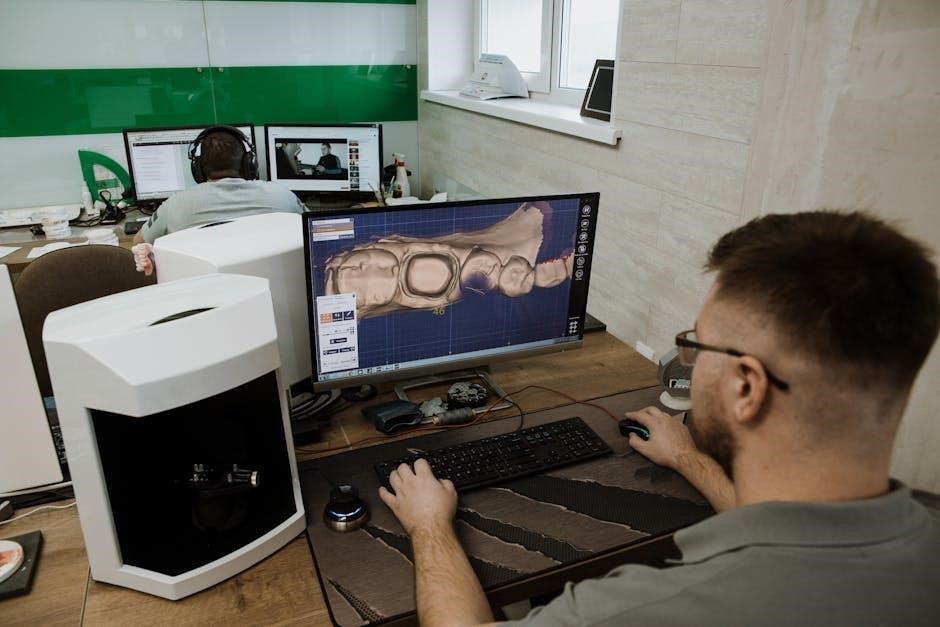
Maintaining your immediate dentures long-term requires consistent care to ensure their longevity and your continued comfort. Regular professional check-ups, at least annually, are paramount. These appointments allow us to assess the fit of your dentures, as your gums and jawbone will naturally change over time.
Adjustments are often necessary to accommodate these changes and prevent sore spots or instability. Continue using a denture brush and ADA-approved cleanser daily to remove food debris and plaque buildup. Avoid abrasive cleaning products that can scratch the denture surface.
Handle your dentures with care, placing them in a safe location when not in use. Proper storage in water or a denture soaking solution prevents warping and maintains their shape. Report any concerns, such as cracks, looseness, or discomfort, to our office promptly. Proactive maintenance will maximize the lifespan of your dentures and your satisfaction.
Importance of Regular Dental Check-ups
Consistent dental check-ups are absolutely vital for the long-term success of your immediate dentures. Annual examinations allow us to monitor the health of your gums and jawbone, identifying any potential issues early on. Changes within your mouth are inevitable, and dentures require periodic adjustments to maintain a comfortable and secure fit.
These appointments aren’t just about the dentures themselves; they’re about your overall oral health. We’ll assess for signs of irritation, infection, or bone loss. Professional cleaning removes stubborn plaque and tartar that home care might miss. Early detection of problems prevents more serious complications down the road.
Don’t wait for discomfort to schedule a visit. Proactive care extends the life of your dentures and ensures continued functionality. Regular check-ups are a key investment in your oral health and overall well-being, guaranteeing a confident smile for years to come.