
Chicco Car Seat Manual: A Comprehensive Guide (Updated 03/27/2026)
Important safety recall information has emerged today‚ March 27‚ 2026‚ impacting over 30‚000 Chicco car seats due to failing restraint standards in crash scenarios.
Chicco car seats are renowned for blending Italian design with rigorous safety standards‚ offering parents peace of mind on every journey. However‚ recent developments necessitate a thorough understanding of proper usage and potential safety concerns. As of today‚ March 27‚ 2026‚ a significant recall affects certain models‚ specifically the MyFit Zip Air Harness Booster‚ impacting over 30‚984 units.
This guide provides comprehensive information‚ covering installation‚ safety features‚ and crucially‚ details regarding the current recall issued by the National Highway Traffic Safety Administration (NHTSA). Staying informed about these updates is paramount to ensuring your child’s safety and correct car seat operation.
Understanding Chicco Car Seat Models
Chicco offers a diverse range of car seats designed to accommodate children through various growth stages. Key models include the OneFit LX ClearTex All-in-One‚ known for its extended usability‚ and the MyFit Zip Air Harness Booster‚ currently subject to a significant safety recall affecting 30‚984 units. Understanding the specific features and limitations of each model is crucial for optimal child protection.
This guide will highlight core functionalities common across Chicco’s lineup‚ while also detailing the specific concerns raised by the NHTSA regarding the MyFit Zip Air model and providing resources for verifying if your seat is affected.
OneFit LX ClearTex All-in-One Car Seat
The Chicco OneFit LX ClearTex is a versatile car seat designed for extended use‚ transitioning from rear-facing harness to forward-facing harness and finally to a booster seat. Reports indicate this model carries a higher price point‚ reflecting its all-in-one functionality. It’s designed for convenience and longevity‚ aiming to be the only car seat a parent needs throughout their child’s growth.
However‚ it’s vital to ensure proper installation and adherence to weight and height limits‚ as with any car seat‚ to maximize safety. Always consult the official Chicco manual for detailed instructions.
MyFit Zip Air Harness Booster Car Seat
The Chicco MyFit Zip Air Harness Booster Car Seat is currently subject to a significant recall affecting 30‚984 units. The National Highway Traffic Safety Administration (NHTSA) has determined this model fails to adequately restrain a child during a crash‚ increasing the risk of injury. This recall highlights the critical importance of staying informed about car seat safety updates.
Owners of this model should immediately check their car seat’s serial number against the affected range and contact Chicco for remedy options. Prioritize child safety by addressing this recall promptly.
Key Features Across Chicco Models
Chicco car seats are generally recognized for their focus on convenience‚ safety‚ and user-friendly design. While specific features vary by model – like the OneFit LX ClearTex All-in-One – a common thread is a commitment to rigorous testing and adherence to safety standards. Many models boast easily removable‚ machine-washable fabrics‚ enhancing practicality for parents.
However‚ recent news emphasizes the importance of verifying model-specific safety information‚ particularly given the current recall impacting the MyFit Zip Air. Always consult the manual and official Chicco updates.
Installation Procedures
Proper installation is paramount for car seat safety‚ and Chicco offers multiple methods. The LATCH system provides a secure connection‚ while belt installations – both forward and rear-facing – are also viable options‚ detailed within each car seat’s manual. It’s crucial to follow instructions meticulously‚ ensuring a snug fit and correct angle.
Given the recent recall affecting certain models‚ double-checking installation against updated guidelines is vital. Incorrect installation can compromise the seat’s protective capabilities‚ increasing risk during a collision.
LATCH System Installation
Utilizing the Lower Anchors and Tethers for Children (LATCH) system offers a convenient and secure installation method. Locate the vehicle’s lower anchors and connect the car seat’s LATCH connectors with an audible click‚ confirming a firm attachment. Ensure the tether strap is properly secured to the designated anchor point in your vehicle.
Always verify a snug fit; minimal side-to-side or front-to-back movement (less than one inch) is acceptable. Given recent safety concerns‚ re-evaluate LATCH connections‚ referencing the car seat’s manual for specific instructions and potential updates related to the recall.
Belt Installation – Forward Facing
When installing your Chicco car seat forward-facing with a vehicle seat belt‚ thread the belt through the designated belt path as illustrated in the manual. Ensure the belt lies flat and isn’t twisted. Lock the seat belt mechanism – consult your vehicle owner’s manual for specific locking instructions‚ as methods vary.
Confirm a secure installation by attempting to move the car seat; it should not shift more than one inch side-to-side or front-to-back. Given recent recall notices‚ double-check all connections and consult Chicco’s resources for updated guidance.
Belt Installation – Rear Facing
For rear-facing installation using a vehicle seat belt‚ carefully thread the belt through the correct belt path‚ as detailed in your Chicco car seat manual’s illustrations. It’s crucial to ensure the belt isn’t twisted and lies flat against the car seat and child.
Activate your vehicle’s seat belt locking mechanism – refer to your vehicle’s owner’s manual for specific instructions. A firm‚ secure installation is vital; the car seat shouldn’t move more than an inch in any direction. Considering recent safety concerns and recalls‚ verify installation meticulously.
Safety Features & Standards
Chicco car seats are engineered with multiple safety features‚ aiming to exceed federal safety standards. These include energy-absorbing foam and side-impact protection. However‚ a significant recall (NHTSA – 30‚984 Units) has been announced on March 27‚ 2026‚ due to concerns regarding proper child restraint during a crash.
It’s imperative to understand that even with these features‚ correct installation and usage are paramount. Regularly check for updates and recall information from the NHTSA and Chicco to ensure your child’s car seat functions as intended and meets current safety regulations.
Federal Safety Standards Compliance
Chicco car seats are designed to meet or exceed all applicable Federal Motor Vehicle Safety Standards (FMVSS) set by the National Highway Traffic Safety Administration (NHTSA). These standards rigorously test car seats for crash performance‚ ensuring a baseline level of safety for children.
However‚ recent reports indicate a recall of 30‚984 units due to failing to meet these standards consistently. This highlights the importance of staying informed about recalls and verifying your specific car seat’s compliance status on the NHTSA website. Proper usage is crucial‚ even with compliant models.
Recall Information (NHTSA – 30‚984 Units)
The National Highway Traffic Safety Administration (NHTSA) has announced a significant recall affecting 30‚984 Chicco MyFit Zip Air Harness Booster car seats. The issue stems from the seats potentially failing to properly restrain a child during a crash‚ increasing the risk of injury.
This recall necessitates immediate attention from owners. It’s crucial to determine if your car seat is affected by checking the serial numbers provided by Chicco and NHTSA. Remedial options are available‚ including potential repairs or replacements‚ to ensure your child’s safety.
Proper Restraint System Functionality
Ensuring correct car seat functionality is paramount for child safety. A properly installed Chicco car seat utilizes either the LATCH system or the vehicle’s seat belt to secure the seat and‚ crucially‚ the child. The harness must be snug – no more than one finger’s width should be able to slide through the shoulder straps at the collarbone.
Regularly verify the harness lock and buckle operation. The recall highlights the importance of this functionality; a failing restraint system dramatically increases injury risk during a collision. Always consult the manual for model-specific instructions.

Usage Guidelines by Age & Weight
Chicco car seats accommodate children across various growth stages‚ demanding adherence to specific weight and height limits for each mode. Rear-facing is the safest position for as long as possible‚ extending until a child reaches the seat’s maximum rear-facing weight and height specifications. Transitioning to forward-facing requires exceeding those limits.
Booster mode is for older children who have outgrown the harness‚ utilizing the vehicle’s seat belt. Always verify your child’s measurements against the car seat’s guidelines to ensure optimal protection and compliance with safety standards.
Rear-Facing Weight & Height Limits
Chicco prioritizes extended rear-facing‚ the safest configuration for young children. Specific weight and height limits vary by model; however‚ generally‚ Chicco car seats allow rear-facing use up to at least 40 pounds and 40 inches. Some models extend these limits significantly‚ potentially accommodating children up to 50 pounds or more.
Always consult your specific car seat’s manual for precise measurements. Ensuring your child remains within these parameters is crucial for optimal protection during a collision‚ maximizing the effectiveness of the car seat’s safety features.

Forward-Facing Weight & Height Limits
Transitioning to forward-facing should only occur when a child has exceeded the rear-facing weight and height limits‚ as determined by the specific Chicco car seat model. Generally‚ forward-facing limits begin around 40 pounds and a height of 43 inches‚ but always verify with your manual.
Chicco car seats typically allow forward-facing use up to 65 pounds and a maximum height of 49 inches. Proper harness adjustment is vital when forward-facing to ensure a secure fit and maximize crash protection for your growing child.
Booster Mode Weight & Height Limits
Booster mode is designed for older children who have outgrown the harness restraints but are still too small for a vehicle’s seat belt to fit properly. Typically‚ a child can transition to booster mode when they reach a minimum weight of 40 pounds and a height of 43 inches‚ as specified in the car seat’s manual.
Chicco booster seats generally accommodate children up to 100 pounds and a maximum height of 57 inches. It’s crucial to ensure the vehicle’s seat belt lies flat across the child’s upper thighs and shoulder‚ not the neck or face.
Maintenance & Cleaning
Regular maintenance ensures your Chicco car seat remains safe and functional. Routine checks should include inspecting the harness straps for wear and tear‚ verifying the LATCH connectors are secure‚ and confirming the shell isn’t cracked. Cleaning is essential for hygiene; fabric covers are often machine washable on a gentle cycle with mild detergent.
Harnesses and buckles can be cleaned with a damp cloth and mild soap. Avoid harsh chemicals or abrasive cleaners. Always ensure all components are completely dry before reassembling and using the car seat. Consistent care extends the lifespan and safety of your Chicco car seat.
Fabric Care Instructions
Maintaining the cleanliness of your Chicco car seat’s fabric is crucial for hygiene and comfort. Most fabric covers are removable and machine washable – always consult the car seat’s specific manual for detailed instructions. Use a gentle cycle with mild‚ liquid detergent‚ avoiding bleach or fabric softeners.
Air drying is recommended to prevent shrinking or damage. For spot cleaning‚ use a damp cloth and mild soap. Ensure the fabric is completely dry before reattaching it to the car seat. Regular cleaning helps prevent the buildup of dirt and allergens‚ providing a safer environment for your child.
Harness & Buckle Cleaning
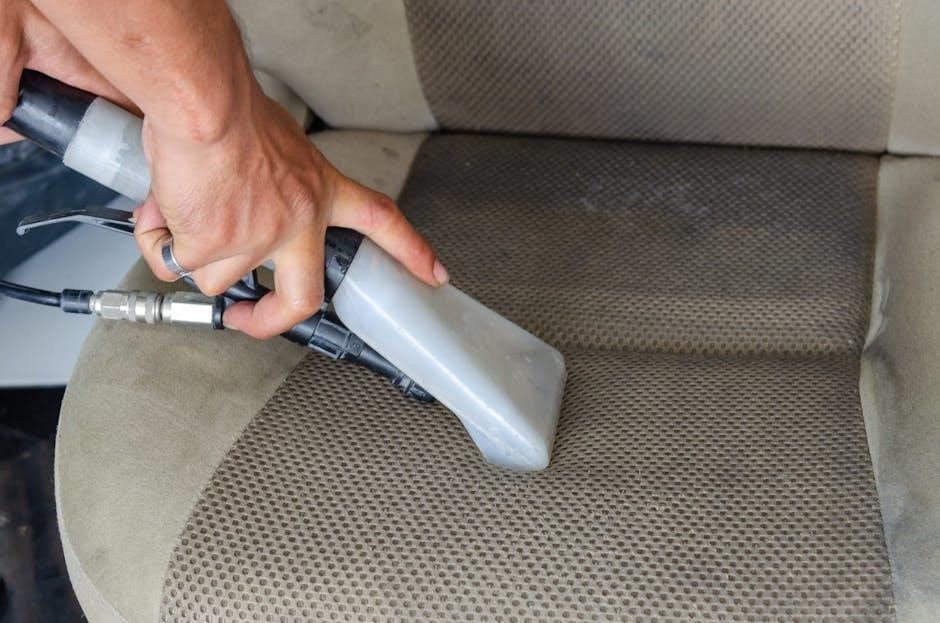
The harness and buckle system require regular cleaning to ensure proper functionality and hygiene. Avoid harsh chemicals or abrasive cleaners‚ as these can damage the plastic components. Use a soft cloth dampened with warm‚ soapy water to wipe down the harness straps and buckle.
Pay close attention to the buckle‚ ensuring no debris or food particles are lodged within. Allow all components to air dry completely before use. Inspect the harness for any signs of wear or damage during cleaning‚ and replace if necessary to maintain optimal safety.
Regular Inspection Checklist
Consistent inspection is crucial for maintaining car seat safety. Before each use‚ verify the harness straps are free from tears‚ fraying‚ or twisting. Ensure the buckle operates smoothly and securely locks. Check the LATCH connectors or belt installation for tightness and proper engagement.
Inspect the car seat shell for cracks or damage. Regularly review the recall information on the NHTSA website‚ particularly concerning the recent 30‚984-unit recall. Document inspection dates for a comprehensive safety record‚ ensuring continued protection for your child.
Troubleshooting Common Issues
Addressing installation and functionality concerns promptly is vital. If experiencing harness adjustment problems‚ ensure straps aren’t twisted and the adjuster mechanism functions freely. For LATCH connector difficulties‚ verify proper attachment to the vehicle’s anchors and confirm the car seat is securely locked.
Installation angle issues often require re-adjustment; consult the manual for correct positioning. Be aware of the recent recall affecting 30‚984 units; if serial numbers match‚ follow Chicco’s remedy options immediately. Prioritize safety and seek professional assistance if issues persist.
Harness Adjustment Problems
Difficulty adjusting the harness is a common concern. First‚ ensure the straps aren’t twisted‚ as this restricts movement. Check the adjuster mechanism – it should slide smoothly to tighten or loosen. If it feels stuck‚ gently try again‚ ensuring no debris obstructs it.
Confirm the harness height is appropriate for your child; adjust the straps to the correct shoulder level. Remember the recent recall impacting 30‚984 units; a faulty harness increases risk. If problems persist‚ consult the manual or contact Chicco support for assistance.
LATCH Connector Difficulties
Encountering trouble with LATCH connectors is frequent during installation. Verify the vehicle’s LATCH anchors are accessible and not obstructed. Ensure the car seat’s connectors click securely into the anchors – a firm click and minimal movement indicate a proper connection.
If connectors are hard to attach‚ try repositioning the car seat slightly. Remember the recent recall affecting Chicco models; a secure installation is vital. If issues continue‚ consult your vehicle manual or Chicco’s support team for guidance‚ especially considering the 30‚984 unit recall.
Installation Angle Issues
Achieving the correct recline angle is crucial for infant safety‚ particularly when rear-facing. Many Chicco car seats feature angle indicators; ensure this indicator shows the seat is within the safe zone. If the angle is too steep or shallow‚ adjust the recline mechanism or use a rolled towel under the base – check your car seat’s manual for approved methods.
Given the recent NHTSA recall of 30‚984 units‚ verifying proper installation is paramount. Incorrect angles can compromise the car seat’s protective capabilities in a crash. Prioritize a secure and correctly angled installation.
Understanding the Recall Notice
A significant recall affects 30‚984 Chicco car seats‚ specifically the MyFit Zip Air Harness Booster model‚ due to failing to meet federal safety standards. This recall‚ announced today‚ March 27‚ 2026‚ raises concerns about proper child restraint during a crash‚ potentially increasing injury risk.
It’s vital to determine if your car seat is affected. The NHTSA notice details specific serial numbers to check. Chicco is offering remedy options to address this safety concern‚ and owners are urged to contact Chicco directly for further assistance and recall resolution.
Affected Car Seat Serial Numbers
Identifying affected car seats requires checking the serial number located on a label affixed to the seat itself. While a comprehensive list isn’t yet publicly available as of March 27‚ 2026‚ the National Highway Traffic Safety Administration (NHTSA) is the primary source for this critical information.
Owners should visit the NHTSA website or contact Chicco directly to input their serial number and confirm recall status. It’s crucial to verify this information promptly to ensure your child’s safety and to understand available remedy options provided by Chicco.
Remedy Options Provided by Chicco
Chicco is offering consumers several options to address the safety recall affecting over 30‚000 MyFit Zip Air Harness Booster car seats. These remedies‚ detailed on the NHTSA website and through Chicco’s customer service‚ aim to rectify the improper restraint issue.
Owners can choose between a free repair kit or a full refund for the affected car seat. Chicco is committed to providing a swift and convenient resolution‚ prioritizing child safety above all else. Detailed instructions for initiating either option are available online.
Contacting Chicco Regarding the Recall
For immediate assistance and to initiate the recall process for your MyFit Zip Air Harness Booster car seat‚ Chicco encourages owners to directly contact their dedicated customer support team. This can be done through several convenient channels‚ including a dedicated recall hotline and an online portal.
The Chicco website provides comprehensive contact information‚ ensuring easy access to support. Representatives are available to answer questions‚ guide you through the remedy options‚ and address any concerns regarding the safety recall. Prompt communication is key to resolving this issue efficiently.